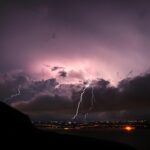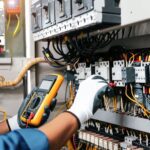

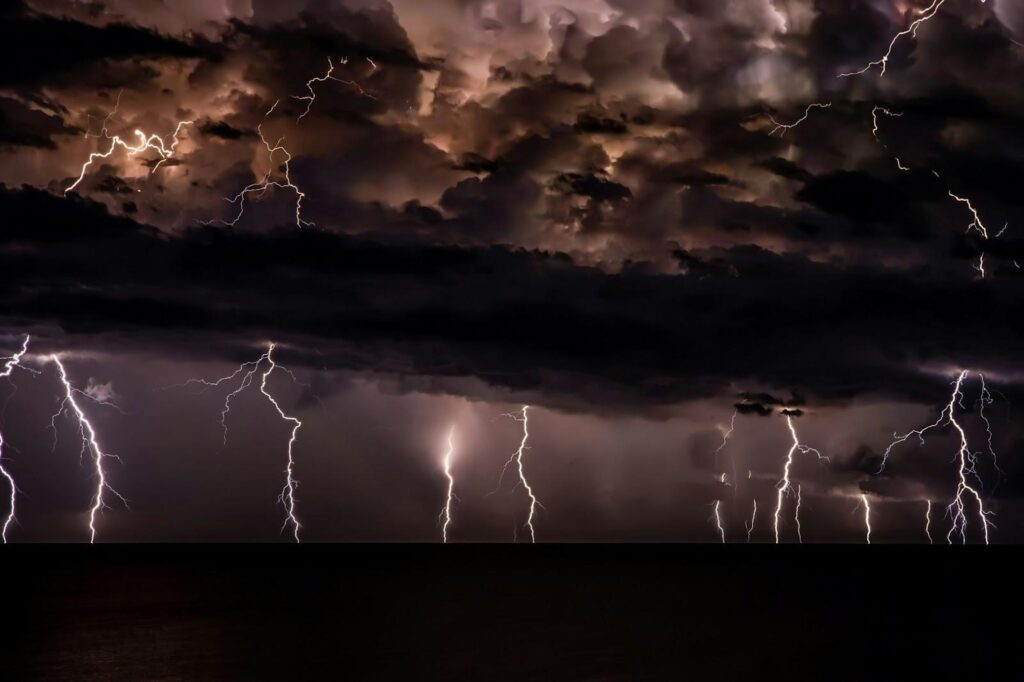
As electrical infrastructure faces increasing exposure to extreme weather events, electrical activity, and environmental variability, real-time monitoring has become essential to ensure system reliability and protection performance. The CMCE 7 Remote Monitoring Storm is a cloud-connected electric field and environmental monitoring device, designed to work in conjunction with the CMCE system, providing continuous visibility of atmospheric conditions and electrical activity within the protected area.
By offering real-time electric field monitoring and comprehensive atmospheric data, Storm 7 enables proactive management of electrical protection systems, helping operators validate CMCE performance and respond quickly to changing environmental risks.
Real-time monitoring of the electric field for CMCE performance control
The Storm 7 is designed to monitor the electric field in real time within the CMCE protection zone. This capability allows operators to:
- Tracks atmospheric electrical conditions continuously
- Verify proper CMCE operation and drainage activity
- Identify elevated electric field levels that may indicate an increased risk of lightning strikes
- Support for predictive maintenance and system performance analysis
Real-time monitoring of the electric field is a critical component of modern lightning and electrical protection strategies, helping to ensure that protection systems perform as designed during changing weather and atmospheric conditions.
Comprehensive Atmospheric Data Collection
In addition to electric field measurements, the CMCE 7 Remote Monitoring Storm collects multiple environmental and atmospheric parameters, providing a complete picture of site conditions. The device accurately measures:
- Temperature
- Atmospheric pressure
- Relative humidity
- Altitude
These baseline measurements support a deeper analysis of environmental trends and help correlate atmospheric conditions with electrical activity and drainage behavior of CMCEs. This combination of electric and atmospheric field data strengthens situational awareness for critical infrastructure operators.
Cloud-Based Environmental Monitoring System Architecture
The Storm 7 system is built on a modern cloud-based environmental monitoring architecture that integrates four key components:
1. Sensors and devices
High-precision sensors collect electric and atmospheric field data directly from the environment where the CMCE system is installed.
2. Connectivity
Storm 7 supports multiple communication options to ensure reliable data transmission:
- Ethernet
- Wi-Fi
- Mobile (cellular) connectivity
This flexibility allows deployment in remote, urban, industrial and maritime environments.
3. Data processing and storage
The collected data is securely transmitted to the cloud, where it is located:
- Processed
- Validated
- Stored in a centralized database
This allows for the analysis of long-term trends and the review of historical data.
4. User Interface and Web Dashboard
Users can access the data through a web interface, where they can:
- View real-time graphs
- Analyze historical trends
- See specific time periods
- Monitor environmental and electrical performance indicators
This cloud-based monitoring platform supports remote sensing for electrical protection systems at multiple sites.
Alerts and notifications for proactive maintenance
Storm 7 provides intelligent alerts and notifications to support proactive infrastructure management. Notifications may include:
- Drain log alerts (CMCE drain activity)
- Weather updates
- Temperature, pressure, humidity and altitude records
- Device disconnection alerts
- Low drain or abnormal CMCE operation alerts
These alerts help maintenance teams identify potential issues early and take corrective action before system performance is impacted.
Flexible power options for any installation environment
Flexible power options for any installation environmentaThe CMCE Remote Monitoring Storm 7 is designed for deployment in a wide variety of environments, including:
- Residential Buildings
- Commercial and high-rise buildings
- Industrial plants
- Mountain and remote places
- Ships and maritime installations
- Critical infrastructure sites
The device supports multiple power configurations to suit site requirements:
- 110/240 VAC
- 12/24 VDC
- Optional Solar Panel Power Systems
This flexibility enables reliable operation even in off-grid or hard-to-reach locations.
Simple and efficient installation
The device supports multiple power configurations to suit site requirements:aThis flexibility enables reliable operation even in off-grid or hard-to-reach locations.aSimple and efficient installationaStorm 7 is designed for easy installation as part of the CMCE protected structure. Installation involves:
- Mounting the Storm 7 on a fixed part of the protected structure
- Running the CMCE conductor down through the Storm 7 device
- Enable real-time recording and measurement of electrical and environmental data
This design allows Storm 7 to immediately begin collecting and transmitting data without complex system modifications.
Improving electrical protection with intelligent monitoring
By combining real-time electric field monitoring, atmospheric data collection, and cloud analytics, the CMCE Remote Monitoring Storm 7 provides advanced visibility into the performance of electrical protection systems. This makes it possible to:
- Enhanced CMCE Performance Validation
- Better-informed maintenance decisions
- Increased resilience for critical electrical infrastructure
Conclusion
The CMCE Remote Monitoring Storm 7 represents a powerful tool for modern electrical protection strategies. Its ability to deliver real-time electric field data, atmospheric measurements, and monitoring in the cloud makes it an essential component for organizations looking to improve the reliability, safety, and performance of their CMCE systems.
ConclusionaThe CMCE Remote Monitoring Storm 7 represents a powerful tool for modern electrical protection strategies. Its ability to deliver real-time electric field data, atmospheric measurements, and monitoring in the cloud makes it an essential component for organizations looking to improve the reliability, safety, and performance of their CMCE systems.aFor SERTEC customers, Storm 7 supports a smarter, data-driven approach to electrical protection, helping to ensure infrastructure is protected, monitored, and optimized under all environmental conditions.