

As the year draws to a close, the global electrical industry reflects on a period marked by rapid innovation, evolving market forces, and a growing need for resilient power systems. For SERTEC, 2025 has been a milestone year—defined by strategic expansion, technological progress, and stronger collaboration—supporting reliable and sustainable energy solutions around the world.
This year-end review summarises the past year’s key achievements and challenges, highlights emerging trends set to shape 2026, and outlines SERTEC’s plans to help clients build more resilient electrical infrastructure for the decade ahead.
2025 Highlights: Progress and Pressures Across the Electrical Sector
In 2025, the sector experienced rising expectations for clean, dependable, and efficient power delivery. Major developments included:
Grid Modernisation:
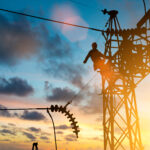
Utilities and private operators advanced upgrades to transmission and distribution networks, leveraging digital monitoring and automation to increase uptime and efficiency.
Renewable Integration:
Solar, wind, and other renewable projects continued to expand in scale, requiring smarter systems to balance variable power generation with stable grid needs.
Technological Transformation:
IoT solutions, smart meters, and predictive maintenance tools gained broader adoption, helping providers anticipate failures and improve operational resilience.
Alongside progress, the industry navigated supply chain bottlenecks, higher material and equipment costs, and growing pressure to comply with environmental and safety regulations.
Looking Ahead: Technologies and Trends Shaping 2026
The coming year is set to accelerate the energy transition. Key global trends include:
- Advanced Energy Storage:
Batteries, microgrids, and other storage systems will play a critical role in smoothing renewable intermittency and strengthening reliability. - AI-Enabled Grid Management:
Data analytics and artificial intelligence will help utilities optimise performance, predict failures, and limit service disruptions. - Industrial Electrification:
Decarbonization strategies—including electric mobility and cleaner industrial processes—will fuel demand for new electrical infrastructure. - Resilience and Security:
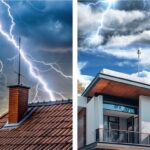
Governments and businesses will prioritize systems capable of withstanding extreme weather, cyber threats, and other disruptive forces.
SERTEC’s Growth and Service Roadmap
In response to these trends, SERTEC is expanding its capabilities to better serve both public and private-sector clients. Plans for 2026 include:
- Scaling consultancy and engineering services to support smart grid deployment
- Strengthening maintenance and predictive monitoring offerings for critical assets
- Forming deeper partnerships with technology leaders to deliver cutting-edge solutions
Recommendations for Organisations Planning 2026 Investments
To prepare for the evolving energy landscape, SERTEC advises organisations to:
- Prioritise Resilience: Build systems designed to endure operational, environmental, and cybersecurity stress.
- Adopt Innovation: Integrate smart technologies, automation, and energy storage to improve performance.
- Plan for Sustainability: Incorporate renewable energy and efficiency measures to meet regulatory and ESG goals.
- Collaborate Strategically: Partner with experienced providers like SERTEC to ensure effective design, deployment, and lifecycle support.
Partnering for a More Resilient Electrical Future
As 2026 approaches, SERTEC remains committed to advancing secure, efficient, and sustainable electrical infrastructure. Combining deep technical knowledge with long-term industry insight, SERTEC stands ready to support clients as they navigate a rapidly changing global energy landscape.