
The landscape of medium voltage transformer maintenance has undergone a revolutionary transformation as industrial operators seek more efficient, cost-effective approaches to asset management. As organisations strive to maximise operational efficiency whilst minimising downtime, understanding the strategic differences between predictive maintenance and preventive maintenance has become crucial for optimising transformer performance and extending asset lifecycles.
The Evolution of Transformer Maintenance Approaches
Transformer maintenance strategies have evolved significantly from traditional reactive approaches to sophisticated, data-driven methodologies. Modern industrial facilities can no longer afford the luxury of waiting for equipment failure before taking action, particularly when dealing with medium voltage transformers that serve as critical infrastructure components.
Traditional Preventive Maintenance
Preventive transformer maintenance follows a time-based approach, scheduling regular inspections and servicing at predetermined intervals regardless of actual equipment condition. This methodology typically includes:
- Scheduled oil testing and replacement every 3-5 years
- Visual inspections of external components and connections
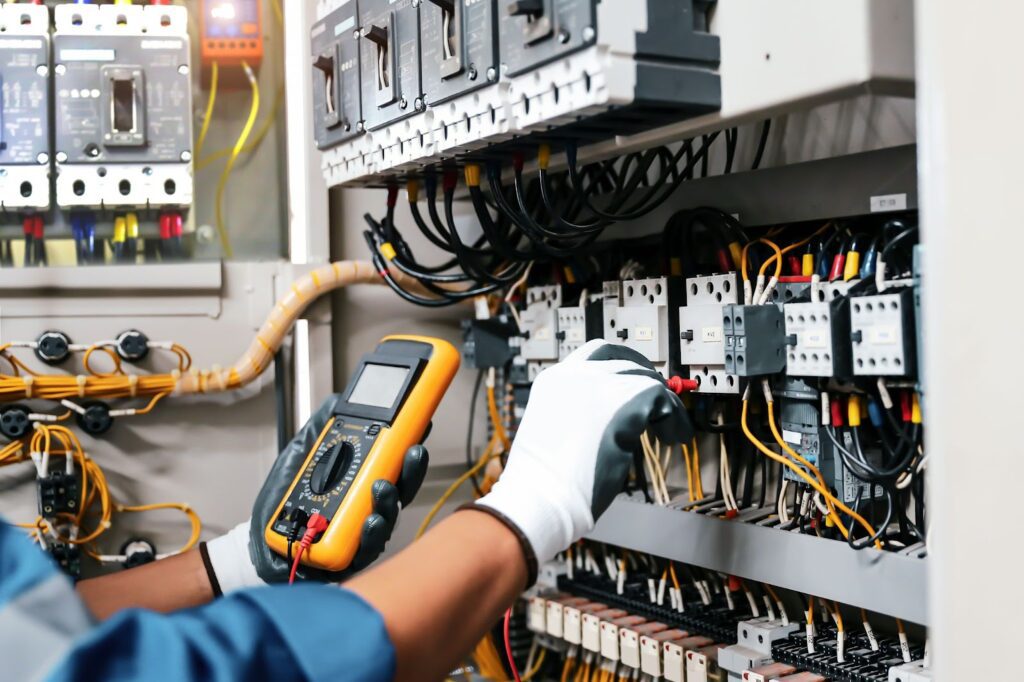
- Thermal scanning to identify hot spots and overheating issues
- Insulation resistance testing to assess dielectric strength
- Bushing inspection and tightening of connections
- Additional provision of capacitor bank to increase efficiency
Whilst preventive maintenance provides predictable scheduling and helps prevent catastrophic failures, it often results in unnecessary maintenance activities and can miss developing issues that occur between scheduled inspections.
The Rise of Predictive Maintenance
Predictive maintenance represents a paradigm shift toward condition-based monitoring, utilising real-time data and advanced analytics to determine when maintenance is actually required. This approach leverages sophisticated technologies to monitor transformer health continuously, enabling maintenance decisions based on actual equipment condition rather than arbitrary schedules.
Key predictive maintenance technologies include:
- Dissolved Gas Analysis (DGA) for early fault detection in transformer oil
- Partial discharge monitoring to identify insulation degradation
- Vibration analysis for mechanical component assessment
- Temperature monitoring using advanced sensor networks
- Load monitoring to track operational stress patterns
Research indicates that predictive maintenance strategies can reduce maintenance costs by 25-30% compared to traditional time-based approaches whilst significantly improving equipment reliability.
Predictive Maintenance Technologies and IoT Integration
The integration of Internet of Things (IoT) technology with transformer monitoring systems has revolutionised how organisations approach asset management. IoT-enabled transformer monitoring provides unprecedented visibility into equipment performance, enabling data-driven decision-making that optimises maintenance schedules and prevents unexpected failures.
Cloud-Based Monitoring Platforms
Modern transformer monitoring solutions leverage cloud computing to provide centralised data collection, analysis, and reporting. These platforms offer:
- Real-time dashboards for equipment health visualisation
- Automated alert systems for critical parameter deviations
- Historical trend analysis for long-term performance assessment
- Predictive failure algorithms based on industry benchmarks
Cost-Benefit Analysis of Maintenance Strategies
Understanding the financial implications of different transformer maintenance approaches is crucial for making informed investment decisions. Comprehensive cost-benefit analysis demonstrates that strategic implementation of predictive maintenance technologies delivers substantial return on investment (ROI) through multiple value streams.
Maintenance Cost Reduction
Predictive maintenance strategies typically reduce overall maintenance costs by 25-30% compared to traditional preventive maintenance approaches. These savings result from:
Optimised Resource Allocation: Maintenance activities focus only on equipment showing actual signs of degradation, eliminating unnecessary interventions on healthy transformers.
Improved Spare Parts Management: Predictive analytics enable more accurate forecasting of component replacement needs, reducing inventory carrying costs whilst ensuring critical parts are available when needed.
Extended Equipment Lifespan
Well-maintained medium voltage transformers can operate safely for 20-30 years or more with appropriate care. Predictive maintenance extends equipment lifespan by:
- Preventing Thermal Stress: Continuous temperature monitoring ensures transformers operate within safe thermal limits, preventing insulation degradation that shortens equipment life.
- Optimising Load Management: Real-time monitoring enables better load distribution, preventing overloading conditions that accelerate equipment wear.
- Early Intervention: Identifying and addressing minor issues before they escalate prevents cascading failures that could necessitate premature equipment replacement.
Downtime Minimisation
Unplanned transformer failures can result in significant operational disruption and lost productivity. Predictive maintenance minimises downtime through:
- Scheduled Maintenance Windows: Advance warning of developing issues allows maintenance to be scheduled during planned outages, avoiding unexpected service interruptions.
- Improved First-Time Fix Rates: Better diagnostic information leads to more accurate problem identification and higher success rates for maintenance interventions.
- Reduced Mean Time to Repair (MTTR): Predictive analytics help maintenance teams understand problem severity and prepare appropriate resources, reducing repair duration.
ROI Analysis Examples
Industry studies demonstrate compelling return on investment for transformer monitoring systems:
- A typical IoT monitoring system investment of £50,000-£100,000 can prevent a single catastrophic failure costing £500,000 or more
- Predictive maintenance implementations typically achieve payback periods of 18-36 months
- Long-term ROI can exceed 300-500% over the transformer’s operational lifetime
SERTEC’s comprehensive service programmes for medium-voltage transformers
SERTEC brings decades of electromechanical experience to medium-voltage transformer maintenance. Our programmes combine rigorous preventive care with timely corrective interventions to keep your assets safe, available, and compliant throughout their lifecycle.
Advanced maintenance capabilities
- Preventive maintenance: Scheduled inspections and periodic care to anticipate failures and sustain operational availability.
- Corrective maintenance: On-site diagnostics and repairs to safely and reliably restore performance.
- 24/7 emergency response: Immediate assistance for critical incidents to minimise downtime and risk.
The choice between preventive and predictive approaches depends on each organisation’s operating context, risk profile, and budget. Even without continuous monitoring, a solid preventive programme—complemented by corrective capability and rapid response—can maximise reliability and extend transformer life. With SERTEC’s experience, companies can plan maintenance more clearly, reduce surprises, and ensure continuity of operations.